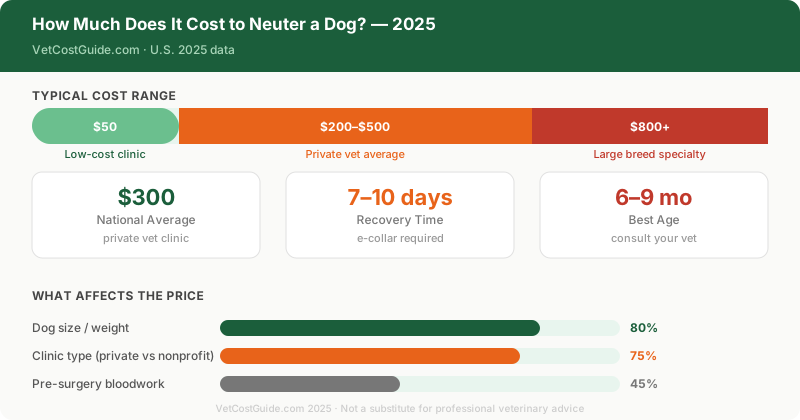
The phone call goes like this: you ask how much it costs to neuter your dog, and the receptionist says “somewhere between $200 and $500.” That’s not very helpful. Here’s the actual breakdown.
- Private vet average: $200–$500 depending on dog size
- Low-cost clinics: $50–$150 at humane societies and ASPCA-affiliated clinics
- Large breeds cost more — over 80 lbs often adds $75–$150 to the base price
- Best time to neuter: 6–9 months for most breeds (consult your vet)
What Does It Cost to Neuter a Dog?
| Clinic Type | Small Dog | Medium Dog | Large Dog |
|---|---|---|---|
| Low-cost / humane society | $50–$100 | $75–$150 | $100–$200 |
| Private vet (average) | $200–$300 | $250–$400 | $350–$500 |
| Specialty hospital | $300–$400 | $400–$550 | $500–$800 |
These prices include the procedure, anesthesia, and basic pain medication. Pre-surgical bloodwork ($80–$150) is usually extra.
What’s Included in the Price?
A standard neuter includes:
Anesthesia and monitoring: Your dog is placed under general anesthesia with continuous vital-sign monitoring throughout the procedure. This alone accounts for 30–40% of the total cost.
The surgery itself: A neuter (orchiectomy) typically takes 5–20 minutes. The surgeon makes a small incision near the scrotum, removes the testicles, and closes with internal sutures.
Pain management: Most vets send dogs home with 3–5 days of oral pain medication. Some clinics include this; others charge $15–$40 extra.
E-collar: The dreaded cone. Usually included, occasionally a $10–$15 add-on.
What’s typically not included: pre-surgical bloodwork, IV fluids during surgery (adds $50–$100), hospitalization if complications arise.
What Affects the Cost?
Dog size and weight: This is the biggest factor. Larger dogs require more anesthesia, longer procedure time, and more suture material. A 10-lb dog and a 90-lb dog are very different cases.
Clinic type: Non-profit and humane society clinics subsidize costs through donations and grants. Private practices have higher overhead and charge market rates.
Geographic region: Neutering in New York City or San Francisco costs 40–60% more than in rural Midwest or Southern states.
Cryptorchid testicles: If one or both testicles haven’t descended into the scrotum, the procedure becomes abdominal surgery — prices jump to $400–$900.
Add-ons: IV fluids, microchipping, dental exam, or nail trim are often offered as bundles. Evaluate each individually.
- Deferred interest on CareCredit: The 0% promotional rate turns into 26.99% APR on the entire balance if you don’t pay it off in time.
- Bundled wellness packages: Some vets offer “puppy packages” that include the neuter. Do the math — they’re sometimes a good deal, sometimes not.
- Cryptorchid surprise: If your vet finds an undescended testicle during pre-surgical exam, get a new price estimate before proceeding.
Is Pet Insurance Worth It for Neutering?
Most pet insurance plans classify spaying and neutering as elective procedures and exclude them from standard coverage. However, some insurers offer wellness add-ons that reimburse $50–$150 toward neuter costs. Plans like Embrace Wellness Rewards and ASPCA’s preventive care rider include routine surgeries.
If you’re getting a puppy, check whether a wellness rider makes financial sense. For just the neuter, it usually doesn’t pencil out — you’d pay more in premiums than you’d get back.
How to Save Money
Use a low-cost clinic: Search ASPCA’s database at aspca.org/pet-care/spay-neuter or PetSmart Charities at petsmartcharities.org. Savings of $150–$300 are typical.
Ask about military or senior discounts: Many humane societies offer discounts for veterans, seniors on fixed income, or households receiving public assistance.
Skip unnecessary add-ons: Microchipping is worthwhile, but if your vet is pushing premium IV fluid packages for a healthy young dog, ask whether it’s medically necessary.
Get two quotes: A 5-minute phone call to a second vet can save you $100.
Time it right: Some clinics offer discounted rates during low-volume periods or as part of community spay/neuter events.
Frequently Asked Questions
Does neutering behavior problems? Neutering reduces or eliminates marking, mounting, and roaming in most dogs, especially if done before 1 year. It doesn’t reliably fix aggression — that requires training.
What’s recovery like? Most dogs are groggy for 12–24 hours post-surgery. Activity should be restricted for 7–10 days. Most dogs return to normal behavior within 48 hours.
Is it safe? Yes. Routine neuters in healthy dogs have complication rates under 2%. Pre-surgical bloodwork further reduces anesthetic risk.
Can I wait until my dog is older? Some evidence suggests waiting until sexual maturity (12–18 months) benefits large breeds’ joint development. Discuss timing with your vet — there’s no single right answer for every dog.