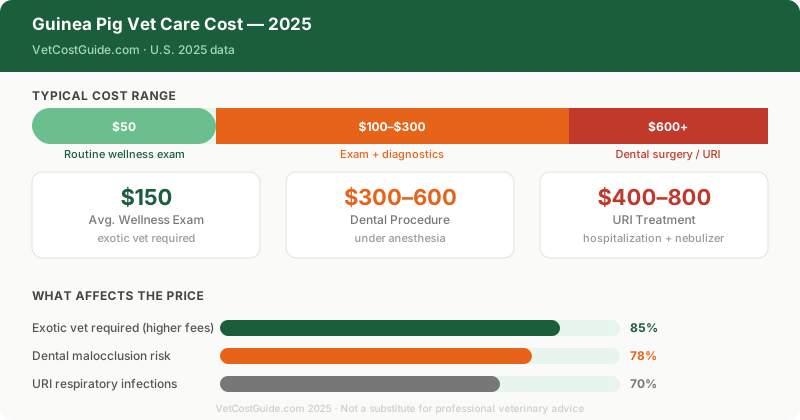
Guinea pigs are inexpensive to acquire—often $20–$50 from a shelter or breeder—but many new owners are unprepared for the veterinary costs that come with responsible ownership. Unlike dogs and cats, guinea pigs require exotic animal veterinarians who charge $75–$150 for a routine exam. Dental disease requiring anesthesia and filing runs $300–$600. A respiratory infection treated late can reach $400–$800. And because guinea pigs are prey animals that hide illness until it’s advanced, the cost of a sick guinea pig is almost always higher than it would have been if caught earlier. Across a typical 4–7 year lifespan, a guinea pig owner can expect to spend $200–$400 per year on a healthy pig and $500–$2,000 or more in any year involving significant illness.
- A routine wellness exam with an exotic vet costs $75–$150—roughly double a standard small animal exam fee—because exotic specialist training and equipment are required.
- Dental disease is the most common health problem in guinea pigs; molar spurs requiring anesthesia and filing cost $300–$600 and recur every 6–12 months in affected animals.
- Upper respiratory infections (URI), one of the most common guinea pig emergencies, cost $200–$500 to treat and can be fatal within 24–48 hours if not treated promptly.
- Owning a bonded pair of guinea pigs (strongly recommended for welfare) doubles your veterinary cost exposure; plan accordingly when budgeting for exotic pet ownership.
Guinea Pig Vet Care Cost Breakdown
| Type | Low | Average | High |
|---|---|---|---|
| Wellness exam (exotic vet) | $75 | $112 | $150 |
| Dental X-rays | $100 | $150 | $200 |
| Molar filing under anesthesia | $300 | $450 | $600 |
| URI treatment (exam + meds) | $200 | $350 | $500 |
| Nebulization therapy (in-clinic) | $100 | $150 | $200 |
| Bladder stone surgery | $500 | $850 | $1,200 |
| Spay (sow, elective) | $250 | $375 | $500 |
| Annual vet cost (healthy guinea pig) | $200 | $300 | $400 |
| Annual vet cost (sick guinea pig) | $500 | $1,250 | $2,000 |
What’s Included in the Price
Wellness exams for guinea pigs include a full physical examination covering teeth, heart and lungs, lymph nodes, skin and coat, weight assessment, and abdominal palpation. A guinea pig that hasn’t been seen by a vet in over a year can have significant hidden disease, particularly dental or respiratory. New guinea pig owners should schedule a first exam within 2–4 weeks of acquiring any new pig, and annually thereafter.
Dental care is central to guinea pig health. Guinea pigs are hypsodont—meaning their teeth grow continuously throughout their lives. The molars at the back of the mouth frequently develop sharp spurs that lacerate the tongue and cheeks, causing pain, excessive salivation (called “slobbers”), and weight loss. Diagnosing molar disease requires sedation and dental X-rays, as the molars are too far back to visualize with the mouth open. Filing under anesthesia (coronal reduction) is the treatment, and in most affected guinea pigs it must be repeated every 6–12 months. The anesthesia alone costs $100–$200, and guinea pigs are considered higher anesthetic risk than dogs or cats.
Upper respiratory infections in guinea pigs are caused primarily by Bordetella bronchiseptica and Streptococcus pneumoniae. Signs include labored breathing, nasal discharge, crackling sounds in the chest, and lethargy. Treatment involves subcutaneous fluids, nebulization therapy with antibiotics (having the pig breathe antibiotic-medicated mist in a chamber for 10–15 minutes), oral antibiotics like trimethoprim-sulfa or enrofloxacin, and supportive syringe feeding if the pig has stopped eating. Total first-visit treatment commonly runs $200–$400.
Bladder stones (uroliths) are common in guinea pigs and can require surgical removal. Stones in the bladder or urethra cause straining, blood in urine, and pain. Surgery involves general anesthesia, a cystotomy (opening the bladder), stone removal, and 24–48 hours of recovery monitoring. Some stones can be managed with diet modification and increased water intake, but large obstructive stones require surgery.
What Affects the Cost
Geographic availability of exotic vets. In urban areas, multiple exotic veterinary practices may compete for business, moderating prices. In rural areas, there may be only one exotic vet within 50 miles—and that vet may charge a premium for the specialty service. Driving distance to an exotic vet is a real cost factor: a 45-minute emergency drive to the nearest exotic vet is time the guinea pig may not have.
Anesthesia risk. Guinea pigs have high anesthesia sensitivity and require isoflurane gas anesthesia administered by a vet experienced with exotic species. Every procedure requiring anesthesia carries a baseline mortality risk of 1–2% even in healthy guinea pigs, and anesthesia charges reflect the expertise and monitoring equipment required. Prices for anesthesia alone range from $100–$200 depending on duration.
Whether you own one or two guinea pigs. Guinea pigs are highly social animals that develop serious psychological stress when housed alone. Vets and guinea pig rescue organizations strongly recommend owning bonded pairs or groups. Two guinea pigs mean two sets of annual exams, two potential illness events, and double the medication doses—effectively doubling your annual vet budget.
Age and baseline health. Young guinea pigs (under 2 years) typically have fewer health issues. Guinea pigs over 4 years are considered senior and are more prone to dental disease, masses (lipomas, ovarian cysts in unspayed sows), and age-related organ decline. Senior guinea pigs generate more frequent and more expensive vet visits.
Diet and husbandry quality. Guinea pigs that receive unlimited timothy hay (which wears teeth naturally and supports GI motility), adequate vitamin C supplementation (guinea pigs cannot synthesize their own), and minimal pellet-heavy diets have significantly lower rates of dental disease and GI stasis than those on pellet-heavy diets with inadequate hay.
- Taking a guinea pig to a dog-and-cat veterinarian without exotic experience. General practice vets without exotic training frequently miss dental disease (which can’t be seen without sedation and proper equipment), misinterpret normal guinea pig physiology as abnormal, and may not stock appropriate medications. Always confirm exotic mammal experience before booking any appointment.
- Waiting to see if a sick guinea pig improves on its own. Guinea pigs are prey animals that instinctively hide illness—by the time symptoms are visible to owners, disease is often already advanced. A guinea pig that has stopped eating is a critical emergency requiring same-day exotic vet care. GI stasis can be fatal in 12–24 hours.
- Underestimating dental disease. Owners frequently attribute weight loss and reduced appetite in guinea pigs to old age or other causes. The majority of guinea pig weight loss cases over age 2 involve dental disease as the primary or contributing factor. Any guinea pig losing weight needs a dental examination under sedation, not watchful waiting.
Is Pet Insurance Worth It?
Exotic pet insurance options have expanded significantly, with providers like Nationwide (formerly VPI) and Exotic Direct offering guinea pig policies. Coverage typically runs $15–$30/month for a guinea pig, with illness and accident coverage. Given that a single dental procedure or URI episode can cost $300–$600, insurance can pay for itself with one significant illness claim.
The primary limitation is finding policies that cover guinea pigs in your state—not all providers operate in all states. Pre-existing conditions, as with all pet insurance, are excluded. Enrolling a young guinea pig before any veterinary abnormalities are documented gives the best coverage.
For owners who find insurance premiums cost-prohibitive, a dedicated pet emergency savings account of $500–$1,000 per guinea pig covers the majority of single-episode illnesses and is a practical alternative.
How to Save Money
Find an exotic vet in advance, before you need one. Emergency exotic vet visits are expensive partly because standard emergency hospitals don’t treat guinea pigs. Knowing your nearest exotic vet during business hours and after hours means you can seek appropriate care faster and avoid unnecessary delay that worsens prognosis.
Provide unlimited timothy hay. High-quality timothy hay costs $20–$40 per large bag and is the single most important component of guinea pig health. Adequate hay reduces dental disease incidence, prevents GI problems, and decreases the frequency of the most expensive veterinary interventions. It is the cheapest form of preventive care available.
Supplement vitamin C properly. Guinea pigs require 10–30 mg of vitamin C daily and cannot synthesize it themselves. Vitamin C deficiency (scurvy) causes joint pain, poor wound healing, and immune dysfunction. Fresh red bell pepper (the highest vitamin C content per gram of any vegetable) is inexpensive and more reliable than water-dissolved supplements, which degrade within hours. Preventing scurvy is free and eliminates one category of vet visits entirely.
Schedule wellness exams annually even for healthy pigs. A $100–$150 wellness exam annually catches dental spurs, early GI issues, and masses before they require expensive treatment. Owners who skip annual exams commonly face emergency costs 3–5× higher than the wellness exam would have cost.
Ask your vet about syringe feeding for GI support at home. For guinea pigs with reduced appetite, knowing how to syringe feed Critical Care (a recovery powder food, $20–$30 per bag) at home can prevent hospitalizations during recovery periods. Your vet can teach you the technique at a regular appointment.
Frequently Asked Questions
How often do guinea pigs need to see a vet? Healthy guinea pigs under age 3 should be seen annually. Guinea pigs over 3, or those with known health conditions like dental disease, should be seen every 6 months. Any guinea pig showing weight loss, changes in eating or drinking, changes in stool, or labored breathing should be seen the same day if possible.
Can guinea pigs be treated at regular vet clinics? Only if the vet has documented exotic mammal training and experience. Most general practice vets are not trained in guinea pig physiology, dental care, or appropriate drug selection. The Association of Exotic Mammal Veterinarians (AEMV) directory is a reliable way to find qualified exotic vets in your area.
What is the lifespan of a guinea pig? Guinea pigs typically live 4–7 years with good care, with some reaching 8 years. The senior years (age 4+) are when the most significant health problems and vet costs emerge. Budgeting for increased vet costs as your guinea pig ages is an important part of ownership planning.
Are guinea pigs expensive to own overall? Compared to dogs, guinea pigs are significantly cheaper to own overall. But compared to what many people expect when they purchase a $30 guinea pig, the costs are often surprising. A pair of healthy guinea pigs typically costs $600–$1,200 per year total including food, bedding, hay, vitamin C, and annual vet visits.