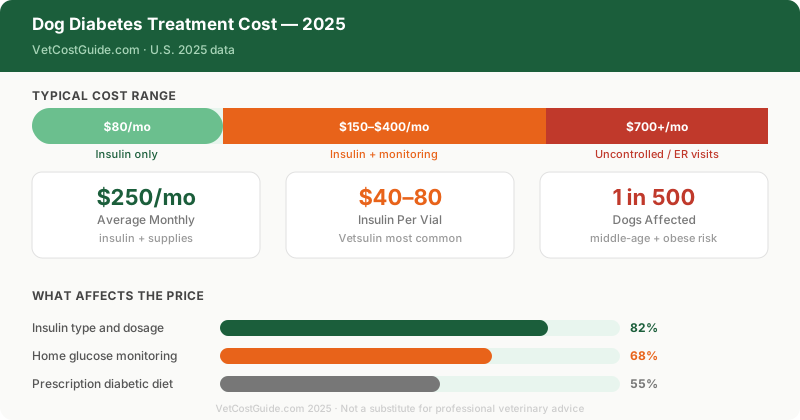
A diabetes diagnosis in your dog comes with a clear-eyed reality check: unlike cats, who can achieve remission, dogs with diabetes almost always require lifelong insulin therapy. The monthly cost of managing canine diabetes runs $150–$350 in a well-managed case — covering insulin, syringes, glucose monitoring supplies, and prescription food. Skimping on monitoring, however, risks the far more expensive outcome: diabetic ketoacidosis (DKA), a life-threatening emergency that costs $1,500–$5,000 to treat and often kills dogs if not caught quickly. The math firmly favors consistent, thorough management.
- Vetsulin (the most commonly prescribed canine insulin) costs $40–$80 per vial, typically lasting 2–4 weeks depending on dog size and dose.
- Total monthly management costs average $150–$350 for most dogs, including insulin, syringes, glucose monitoring, and prescription food.
- Vet monitoring visits every 3–6 months add $150–$300 per visit for glucose curves and bloodwork.
- A diabetic ketoacidosis (DKA) emergency costs $1,500–$5,000 — making consistent home monitoring the best financial protection.
Cost Breakdown
| Item | Low | Average | High |
|---|---|---|---|
| Vetsulin Insulin (per vial) | $40 | $60 | $80 |
| Human NPH Insulin (Humulin N, per vial) | $25 | $35 | $50 |
| Insulin Syringes (monthly) | $15 | $20 | $25 |
| Home Glucose Meter + Initial Strips | $30 | $45 | $60 |
| Glucose Test Strips (ongoing monthly) | $15 | $25 | $35 |
| Prescription Diabetic Food (monthly) | $60 | $80 | $100 |
| Vet Monitoring Visit (every 3–6 months) | $150 | $225 | $300 |
| Initial Diagnosis Workup | $300 | $425 | $600 |
| Diabetic Ketoacidosis Emergency | $1,500 | $3,000 | $5,000 |
First-month costs run $500–$900 including diagnosis, initial equipment, and first insulin vial. Subsequent months stabilize to $150–$350 for most dogs. Annual totals including 2–3 monitoring visits average $2,200–$4,500/year for a well-managed diabetic dog.
What’s Included
Insulin. Vetsulin (porcine insulin zinc suspension) is the only FDA-approved insulin for dogs and is the standard first choice in canine diabetes management. Unlike cats — where ProZinc and longer-acting insulins are common — most dogs do best on Vetsulin’s twice-daily dosing. Vial cost is $40–$80, with usage varying by dose and dog size. A small dog may get 4–6 weeks from a vial; a large dog may need a new vial every 10–14 days.
Some vets prescribe human NPH insulin (Humulin N, available at Walmart pharmacies for ~$25/vial without a prescription) as an off-label cost-saving alternative. Discuss this with your vet before switching — dosing and timing differ slightly and must be managed carefully.
Syringes. Vetsulin is a U-40 formulation and requires U-40 insulin syringes. Using U-100 syringes (the more common human insulin size) with U-40 insulin causes serious overdose errors. Your vet or pharmacy will specify the correct syringe type. A box of 100 syringes costs $15–$25 and lasts approximately 6–8 weeks at twice-daily dosing.
Home glucose monitoring. Consistent blood glucose monitoring is the foundation of safe diabetes management. The AlphaTrak 2 glucometer is calibrated specifically for dogs and cats and is the veterinary standard. Blood is collected from the ear margin or inner lip. Regular pre-injection glucose checks ensure you’re not giving insulin to a dog already in a low-glucose state — a dangerous situation that can lead to hypoglycemic collapse. Meter cost: $30–$60; monthly strip cost: $15–$35.
Prescription diabetic food. A consistent, high-fiber diet helps blunt post-meal glucose spikes and improves insulin sensitivity. Hill’s Prescription Diet w/d (multi-benefit with fiber), Royal Canin Glycobalance, and Purina DM (higher protein for dogs) are the most commonly recommended options. Cost: $60–$100/month. Consistency matters more than the specific brand — switching foods disrupts glucose regulation and makes dose management more difficult.
Veterinary monitoring visits. Stable diabetic dogs require glucose curves and bloodwork every 3–6 months. An in-clinic glucose curve involves multiple blood samples over 8–12 hours to map glucose highs and lows in response to insulin. A fructosamine test (2-week average glucose) provides a longer-term view. Each monitoring visit costs $150–$300 at most practices.
What Affects the Cost
1. Dog size and insulin dose. Larger dogs require larger insulin doses, consuming vials faster. A 10-lb dog may need 1–2 units twice daily; an 80-lb dog may need 20–30 units twice daily. The difference in monthly insulin cost between a toy breed and a large breed can be $30–$60/month or more.
2. Concurrent conditions. Canine diabetes is frequently associated with concurrent hyperadrenocorticism (Cushing’s disease), recurrent infections, obesity, or pancreatitis — all of which cause insulin resistance and increase required doses. Treating the underlying condition is often necessary to achieve glucose control.
3. Intact female dogs. Diestrus (the post-estrus phase) causes progesterone-driven insulin resistance in intact female dogs — a common reason for new-onset diabetes or sudden loss of glucose control. Spaying a diabetic intact female is strongly recommended and often dramatically improves (or resolves) glucose regulation. Spay surgery adds an upfront cost ($400–$800) but frequently reduces ongoing insulin requirements significantly.
4. Frequency of home monitoring. Owners who monitor glucose at home regularly make fewer dose errors, experience fewer hypoglycemic emergencies, and have better-controlled dogs — ultimately reducing emergency vet costs and improving quality of life. Skipping monitoring to save on test strips is a false economy.
5. Stabilization challenges. Some dogs take weeks to months to achieve stable glucose control, requiring frequent dose adjustments and more regular monitoring visits ($150–$300 each) during the initial stabilization period.
- Diabetic ketoacidosis (DKA). When insulin is insufficient and cells can’t use glucose, the body breaks down fat for energy, producing ketones. DKA is a life-threatening emergency characterized by vomiting, lethargy, loss of appetite, sweet/acetone breath, and rapid deterioration. Treatment requires ICU-level hospitalization with IV fluids, electrolyte correction, and insulin drip. Cost: $1,500–$5,000. DKA is most often triggered by missed doses, dose errors, underlying illness, or newly uncontrolled diabetes — making consistent management the best prevention.
- Hypoglycemia from overdose. Too much insulin or a missed meal after injection causes blood glucose to drop dangerously. Signs include weakness, trembling, disorientation, and seizures. If you observe these signs, immediately rub corn syrup or honey on your dog’s gums and go to an emergency vet. Always ensure your dog has eaten before giving insulin.
- Diet inconsistency derailing glucose control. Feeding variable amounts, changing foods, or giving unplanned high-carbohydrate treats throws off glucose curves and makes dose calibration nearly impossible. Consistency in timing, amount, and type of food is essential.
Is Pet Insurance Worth It?
Canine diabetes is a chronic condition with significant annual costs — precisely the scenario comprehensive pet insurance is designed to cover. If enrolled before diagnosis, most policies cover insulin, monitoring supplies, prescription food (when prescribed), vet visits, and DKA emergencies after the deductible.
A dog with well-managed diabetes costs $2,200–$4,500/year. A policy with a $500 deductible and 80% reimbursement at $600/year in premiums provides meaningful net savings in most years. The most critical protection is DKA emergency coverage: a $4,000 DKA hospitalization reimbursed at 80% ($3,200) covers more than five years of $600 premiums in a single claim.
Trupanion is notable for covering insulin and prescription food as part of its illness policy with no annual benefit cap — valuable for a disease requiring lifelong management.
How to Save Money
Ask about human NPH insulin. Humulin N, available at Walmart and Sam’s Club pharmacies without a prescription for ~$25/vial, is used off-label in dogs by many veterinarians. If your vet approves this substitution, the insulin cost savings are substantial — particularly for large dogs who burn through Vetsulin quickly.
Buy syringes in bulk from a pharmacy. U-40 insulin syringes are available at most pharmacies and online in boxes of 100 at $15–$25. Don’t pay per-syringe pricing at the vet clinic.
Invest in home glucose monitoring. The $30–$60 initial cost of a glucometer pays for itself quickly by reducing in-clinic glucose curves ($150–$300 each). Owners who do thorough home monitoring typically need fewer monitoring appointments.
Spay intact female dogs. If your dog is an intact female, the spay surgery is both a therapeutic intervention and a cost-reduction strategy — progesterone’s insulin-blocking effect means higher doses, more monitoring visits, and less stable control throughout the unspayed dog’s cycle.
Buy prescription food through online pet pharmacies. With a prescription, Hill’s w/d and Royal Canin Glycobalance are available through Chewy Pharmacy and 1-800-PetMeds at 15–25% below clinic retail prices.
Frequently Asked Questions
Can dog diabetes be cured or go into remission? In the vast majority of cases, no. Unlike cats (where 30–40% achieve remission), dogs with diabetes almost always require lifelong insulin therapy. The exception is intact female dogs — spaying can dramatically reduce or eliminate insulin requirements in some cases by removing the progesterone-driven insulin resistance of diestrus. Dogs on long-term steroid medication whose diabetes was steroid-induced may also improve with steroid discontinuation.
How often should I take my diabetic dog to the vet? During initial stabilization (first 1–3 months), expect visits every 2–4 weeks to adjust doses and assess glucose curves. Once stabilized, monitoring visits every 3–6 months are typical for well-controlled dogs. Any illness, change in appetite, weight loss, vomiting, or change in water intake warrants an urgent check — these can signal DKA or a need for dose adjustment.
What breeds are most commonly affected by diabetes? Keeshond, Samoyed, Australian Terrier, Miniature Schnauzer, Poodle, Pug, and Bichon Frise have higher reported rates of diabetes. Intact female dogs of any breed are at elevated risk. Middle-aged to older dogs (7–9 years) are most commonly affected, though younger dogs can develop diabetes.
How do I give my dog insulin injections at home? Your veterinary team will provide a hands-on demonstration before you leave with the first vial. Most owners master the technique within 2–3 injection sessions. Insulin is given subcutaneously (under the skin) in the scruff of the neck or shoulder area, typically with the meal, using a short fine-gauge needle that most dogs barely notice. Never skip a dose without knowing your dog’s current glucose level — contact your vet for guidance if your dog won’t eat or is showing unusual symptoms.