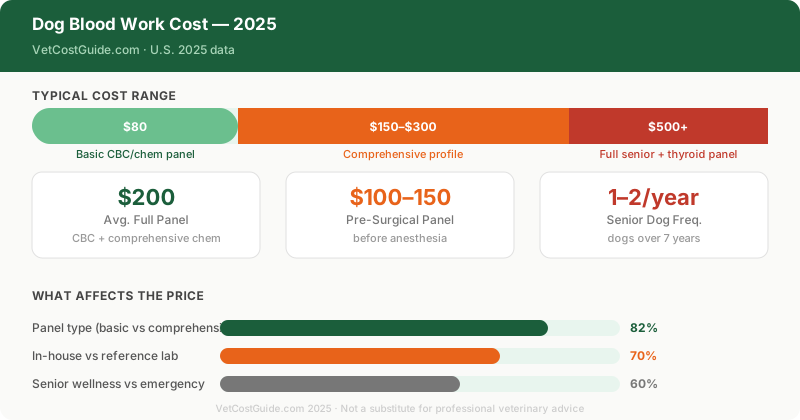
Your vet recommends blood work — again — and you find yourself wondering what the $150 charge actually covers. Dog blood panels are one of the most ordered diagnostics in veterinary medicine, and for good reason: a single tube of blood can reveal kidney disease, diabetes, liver dysfunction, anemia, and infection before your dog shows obvious symptoms. Knowing what each panel tests helps you understand why the price is justified and when it’s truly necessary.
- A basic wellness blood panel costs $80–$150 at most general practices in 2025.
- A full CBC plus chemistry profile (the most common combo) runs $150–$300.
- Add-ons like thyroid (T4), urinalysis, and electrolytes push totals to $300–$500.
- Emergency or after-hours blood panels carry a $50–$150 surcharge at 24-hour hospitals.
- Annual blood work for dogs over age 7 is one of the highest-value diagnostics per dollar.
What Does Dog Blood Work Cost?
Prices depend heavily on the panel type ordered and the type of facility. In-house analyzers give results in 15 minutes; send-out labs take 24–48 hours but often cost less for complex panels.
| Panel Type | Low | Average | High |
|---|---|---|---|
| Basic wellness screen (BMP) | $80 | $120 | $165 |
| Complete blood count (CBC) only | $50 | $85 | $130 |
| CBC + full chemistry profile | $150 | $220 | $310 |
| Pre-anesthesia panel (pre-surgical) | $90 | $150 | $230 |
| Senior wellness panel (CBC + chem + T4) | $200 | $280 | $400 |
| Thyroid (T4) add-on | $40 | $65 | $95 |
| Emergency/in-house stat panel | $180 | $260 | $400 |
| Specialty lab full workup | $250 | $380 | $600 |
What Each Blood Panel Actually Tests
Complete Blood Count (CBC) measures red blood cells, white blood cells, and platelets. It identifies anemia, infection, inflammation, clotting disorders, and certain cancers. This is the “population” snapshot of your dog’s blood cells.
Basic Metabolic Panel (BMP) covers blood glucose, kidney values (BUN and creatinine), and electrolytes. It’s the minimum needed to assess kidney function and diabetes status.
Comprehensive Chemistry Profile adds liver enzymes (ALT, ALP, AST), total protein, albumin, globulin, and bilirubin to the metabolic panel. It paints a fuller picture of organ health, especially liver and pancreas.
Thyroid Panel (T4) measures thyroxine, the primary thyroid hormone. Hypothyroidism is extremely common in middle-aged dogs and easy to miss on a physical exam alone. A T4 add-on is worth the extra $65 for any dog over 5 showing weight gain, lethargy, or skin changes.
Pre-Anesthesia Panel is a targeted version of the chemistry profile run before any procedure requiring general anesthesia. It confirms the liver and kidneys can safely process anesthetic drugs.
SDMA (Symmetric Dimethylarginine) is an early kidney marker that detects dysfunction up to two years before creatinine rises. It typically adds $25–$50 to a standard chemistry panel and is especially valuable for geriatric dogs.
What Factors Affect the Cost?
In-house vs. reference lab. In-house analyzers (IDEXX Catalyst, Abaxis) provide results in minutes and are convenient for sick dogs, but machines and reagents are expensive — costs pass to clients. Reference labs like IDEXX and Antech process samples overnight and often deliver more comprehensive results for similar or lower cost.
Geographic location. Blood work at a high-cost urban clinic in San Francisco or New York runs 30–50% above the national average. Rural practices and lower cost-of-living regions are significantly cheaper.
Panel scope. A basic BMP is genuinely cheap. The cost climbs when your vet orders add-ons: tick panel, pancreatic lipase (cPL), SDMA, bile acids, or cortisol tests. Each add-on is clinically justified in the right context but adds $30–$80 per test.
Bundled wellness packages. Many practices offer discounted blood work as part of an annual wellness plan, sometimes 20–35% below a la carte pricing. If your dog is healthy and you want routine monitoring, these packages deliver real value.
Emergency timing. After-hours clinics charge a premium for stat in-house analysis because the equipment and staffing are available around the clock. A panel that costs $150 during business hours may cost $220 at 2 a.m.
- Never assume normal = healthy. Blood values exist on a spectrum. A value in the “normal” range for a large lab but trending upward year-over-year is clinically meaningful. Ask for printed results to compare year to year.
- Fasting matters for accuracy. Lipemia (fat in the blood from a recent meal) interferes with chemistry panels and can cause false readings. Fast your dog for 8–12 hours before blood draw unless your vet says otherwise.
- Age 7 is the turning point. Dogs age faster than humans. Annual blood work from age 7 onward — or age 5 for giant breeds — can catch organ decline early enough to slow it with diet and medication.
When Is Blood Work Necessary vs. Optional?
Necessary: Pre-anesthesia for any surgical procedure. Sick dogs with vomiting, lethargy, weight loss, or increased thirst/urination. Dogs starting long-term medications (NSAIDs, phenobarbital, cyclosporine) that affect kidney or liver function. Any dog showing potential toxin exposure.
Strongly recommended: Annual wellness panels for dogs 7 and older. Biannual panels for dogs on chronic medications. Baseline panels for dogs adopted as adults with unknown history.
Optional but valuable: Baseline panels for healthy young dogs (ages 1–4) to establish individual normal ranges. Pre-travel health certification panels. Breed-specific screens (greyhound reference ranges differ significantly from other breeds).
How to Reduce the Cost
Ask about wellness plan pricing. If your practice offers annual wellness packages that bundle blood work with vaccines and exams, the per-item cost is usually 20–30% lower than ordering tests individually.
Request only what’s clinically indicated. If your dog is a healthy 3-year-old coming in for vaccines, a full chemistry panel may not add value over a basic screen. Ask your vet what information they’re actually looking for and whether a smaller panel meets that need.
Use a veterinary discount club. Platforms like PetDesk or in-practice wellness memberships often include discounted annual blood work. Some practices charge $20–$40/month and include a full panel annually.
Compare reference lab pricing. Some practices charge a markup on reference lab tests. At a minimum, ask whether in-house or send-out is cheaper for your specific panel before consenting.
Consider low-cost veterinary clinics. Humane society clinics, veterinary school practices, and community clinics often offer blood panels at $60–$100 for basic workups. Quality is equivalent — equipment and training are the same.
Frequently Asked Questions
How long does dog blood work take to get results? In-house panels take 15–20 minutes. Reference lab panels take 24–48 hours for standard processing, or same-day for rush fees ($20–$40 extra). Your vet will call or send results through the clinic portal as soon as they’re reviewed.
Can I get dog blood work without a vet visit? No — blood draws require a licensed veterinarian or trained technician, and results need clinical interpretation. Some low-cost clinics offer blood draws with a technician consult at reduced exam fees, but you cannot legally obtain a blood panel without a vet relationship.
What does it mean if my dog’s liver enzymes are high? Elevated ALT or ALP can indicate liver inflammation, biliary disease, steroid use, or stress from another illness. A single elevated value without symptoms is rarely an emergency — your vet will recommend repeat testing in 4–6 weeks or additional workup like an abdominal ultrasound to determine cause.
Should I fast my dog before blood work? Yes, ideally 8–12 hours for chemistry panels. Fasting prevents lipemia (dietary fat in the blood) that can interfere with glucose, triglyceride, and cholesterol readings. Water is always fine. For dogs with diabetes or hypoglycemia risk, ask your vet for specific fasting guidance.