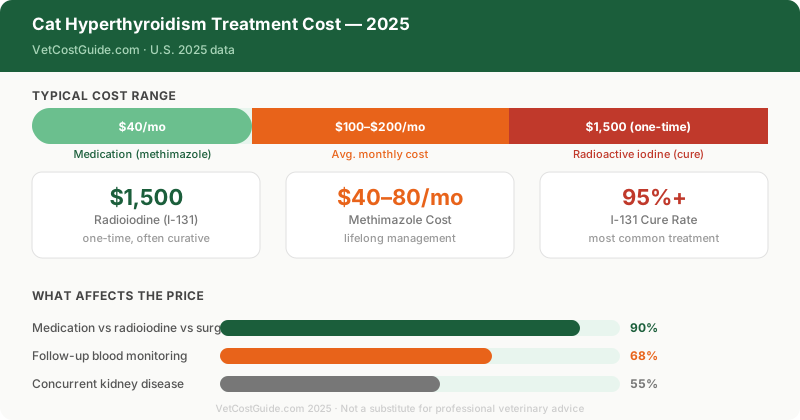
Feline hyperthyroidism is one of the most common diagnoses in middle-aged and senior cats, and the treatment decision you make will shape your budget for years to come. Daily methimazole medication runs $40–$80 per month indefinitely — add monitoring bloodwork and the lifetime cost easily exceeds $3,000. A one-time radioactive iodine (I-131) treatment costs $1,200–$1,800 but cures the disease in over 95% of cats, with no ongoing medication required. Understanding the numbers upfront helps you make the decision that’s right for your cat and your finances.
- Methimazole (pill or transdermal gel) costs $40–$80/month and must be given lifelong — skipping doses causes a relapse within days.
- Radioactive iodine (I-131) is a one-time $1,200–$1,800 procedure with a 95%+ cure rate — usually the most cost-effective option for cats expected to live 3+ more years.
- Initial diagnostic workup (thyroid panel, bloodwork, urinalysis) costs $300–$500 before any treatment begins.
- Monitoring bloodwork every 3–6 months costs $80–$150 per visit regardless of which treatment path you choose.
Cost Breakdown
The four main treatment options for feline hyperthyroidism vary dramatically in upfront versus long-term cost.
| Treatment Option | Low | Average | High |
|---|---|---|---|
| Initial Diagnostic Workup | $300 | $400 | $500 |
| Methimazole Pills or Gel (monthly) | $40 | $60 | $80 |
| Hill's y/d Prescription Diet (monthly) | $80 | $100 | $120 |
| Radioactive Iodine I-131 (one-time) | $1,200 | $1,500 | $1,800 |
| Thyroidectomy Surgery | $1,500 | $2,200 | $3,000 |
| Monitoring Bloodwork (per visit) | $80 | $115 | $150 |
For a cat treated with methimazole who lives 4 more years and requires bloodwork every 4 months, total lifetime treatment costs approach $4,000–$5,500. The same cat treated with I-131 typically costs $1,700–$2,500 total, making radioiodine the mathematically cheaper option in most scenarios.
What’s Included
Initial diagnostic workup. Before treatment starts, your vet will run a complete thyroid panel (T4 levels), comprehensive bloodwork (chemistry panel and CBC), urinalysis, and blood pressure measurement. This is essential because hyperthyroidism can mask underlying kidney disease — treating the thyroid too aggressively can unmask CKD, so baseline kidney values are critical. Expect to spend $300–$500 at this stage.
Methimazole (Tapazole / Felimazole). The most common first-line treatment, methimazole blocks thyroid hormone production. It’s available as twice-daily pills or a transdermal gel applied to the inner ear flap. Neither form cures the disease — stopping medication causes rapid relapse. Pills are slightly more effective; the gel is easier to administer for difficult cats. Cost per month is $40–$80 depending on dose and compounding pharmacy used.
Hill’s Prescription Diet y/d. This iodine-restricted diet controls hyperthyroidism by limiting the raw material the thyroid needs to produce hormone. It works only if the cat eats nothing else whatsoever — even occasional treats can disrupt control. It costs $80–$120/month and isn’t suited for multi-cat households. It’s used most often as a short-term bridge before definitive treatment.
Radioactive iodine (I-131). A single injection of radioactive iodine concentrates in the abnormal thyroid tissue and destroys it, leaving normal tissue intact. Cats require a brief hospitalization (typically 3–5 days) in a licensed radiation facility until radiation levels fall to safe limits. The cure rate exceeds 95%. Most cats never need thyroid medication again.
Thyroidectomy. Surgical removal of the affected thyroid lobe(s) is curative in the right hands but is performed less frequently since I-131 became widely available. It carries anesthetic risk in older cats and requires a surgeon experienced with parathyroid preservation. Cost is $1,500–$3,000 depending on whether one or both lobes are removed.
What Affects the Cost
1. Geographic location and facility type. Radioiodine must be performed at a licensed nuclear medicine facility — not every city has one, and some owners must travel. Urban specialty centers charge more than rural general practices for routine monitoring.
2. Whether one or both thyroid lobes are affected. About 30% of hyperthyroid cats have bilateral disease. This affects surgical complexity and whether a second I-131 treatment (at additional cost) is needed.
3. Concurrent disease management. Many hyperthyroid cats are seniors with kidney disease, heart disease, or hypertension that requires additional medications and monitoring, adding $30–$80/month in ongoing costs.
4. Compounding costs for methimazole. Pills from a compounding pharmacy are cheaper than brand-name Felimazole. A good compounding pharmacy can bring monthly pill costs to $25–$40, while the transdermal gel typically runs $50–$80/month.
5. Response to treatment and dose adjustments. Some cats require dose titration over the first 1–3 months, which means more frequent rechecks ($80–$150 each) until values stabilize.
- Hidden kidney disease. Hyperthyroidism increases kidney blood flow, masking CKD on bloodwork. When thyroid levels normalize, kidney disease can appear suddenly. This is not a treatment side effect — it was pre-existing. Your vet may recommend a cautious dose titration period before committing to curative treatment.
- Methimazole side effects. About 15–20% of cats experience side effects including vomiting, lethargy, facial itching, or (rarely) serious blood cell changes. Report any new symptoms promptly. Side effects may require switching formulations or treatment methods — and additional vet visits.
- Unregulated online pharmacies. Compounded methimazole requires a valid prescription. Avoid unverified online sources — counterfeit or contaminated thyroid medication has been documented and can be dangerous or simply ineffective.
Is Pet Insurance Worth It?
Hyperthyroidism is almost universally classified as a pre-existing condition if it’s diagnosed before you enroll, making retroactive coverage impossible. The lesson: enroll your cat in a comprehensive pet insurance policy before any thyroid symptoms appear.
If your cat is already covered under a policy purchased before diagnosis, hyperthyroidism is typically covered as an endocrine illness. A policy with a $500 deductible and 80% reimbursement would cover $960–$1,040 of a $1,500 radioiodine procedure — essentially paying for the annual premium in a single claim. Ongoing medication monitoring visits would also qualify for reimbursement.
For uninsured cats, ask whether your veterinary clinic offers a payment plan or CareCredit financing for the I-131 procedure, as the upfront cost is the primary barrier for many owners who would otherwise benefit from the curative option.
How to Save Money
Calculate the long-term math before choosing. Run the numbers for your cat’s expected lifespan. A cat diagnosed at age 10 who might live to 15 will spend more on lifetime methimazole than the one-time I-131 cost. A cat diagnosed at 15 may do better on medication.
Use a compounding pharmacy for methimazole. Ask your vet for a prescription you can fill at a reputable compounding pharmacy (PCAB-accredited). Pills or transdermal gel from a compounder can cost 30–50% less than the brand-name Felimazole from the clinic’s pharmacy.
Bundle monitoring visits with annual wellness. Ask whether thyroid rechecks can be combined with your cat’s annual wellness exam to reduce the number of separate office visits.
Ask about I-131 financing. Many radioiodine facilities offer payment plans. The total cost spread over 6 months is often comparable to starting methimazole — without the indefinite commitment.
Compare I-131 facility pricing. Radioiodine pricing varies by facility. Veterinary schools with nuclear medicine departments (UC Davis, Colorado State, NC State) often charge less than private specialty hospitals.
Frequently Asked Questions
How quickly does methimazole work? Most cats show improved T4 levels within 2–4 weeks of starting methimazole. A recheck is typically scheduled at 3–4 weeks to confirm control and adjust the dose. Full stabilization and optimal dose may take 1–3 months with serial rechecks.
Can hyperthyroidism be managed with diet alone? Hill’s y/d prescription diet can effectively control hyperthyroidism, but only if the cat eats absolutely nothing else. In a single-cat household with an agreeable eater, it’s a viable option. It’s unsuitable for multi-cat homes and provides no benefit if the cat receives any treats, table scraps, or food from other sources.
Will my hyperthyroid cat need kidney medication after I-131? Possibly. Successful treatment of hyperthyroidism sometimes unmasks underlying CKD that was hidden by the elevated thyroid-driven blood flow. Your vet will recheck kidney values 4–6 weeks after I-131 to screen for this. If mild CKD is present, it may require dietary management and possibly phosphorus binders — but most cats do well.
How long do cats live after hyperthyroidism treatment? With successful treatment, many cats with hyperthyroidism have a normal life expectancy for their age. Cats treated with I-131 who maintain normal thyroid function long-term have a prognosis comparable to cats without the disease. Median survival after I-131 has been reported at 2–5 years depending on concurrent health conditions.