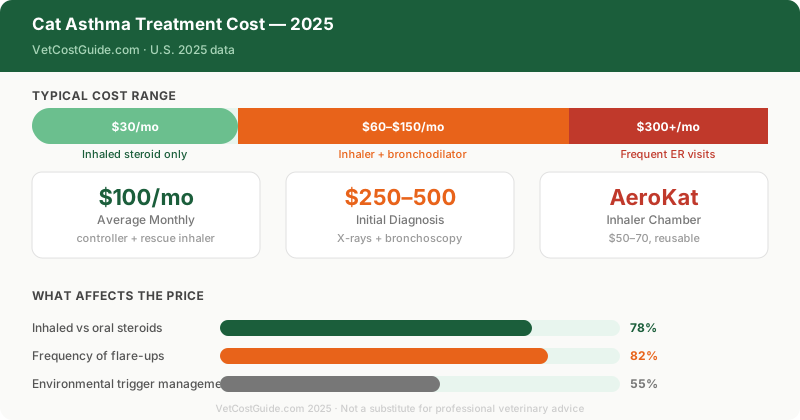
Feline asthma affects an estimated 1–5% of cats and carries a wide cost range depending on severity and how well it’s controlled. A cat with mild, well-managed asthma using a daily inhaled steroid may cost $40–$80 per month to maintain. A cat experiencing a severe acute attack requiring an emergency visit, oxygen therapy, and injectable bronchodilators can generate a single bill of $300–$800. The cats that cost the most are the ones with poorly controlled disease or unknown triggers—cycling between normal and crisis states, racking up emergency bills that could have been reduced with proper daily management and environmental changes that cost nothing at all.
- Initial diagnosis of feline asthma (chest X-rays plus bronchoalveolar lavage) costs $250–$600 and is necessary to confirm the diagnosis and rule out heart disease and infection.
- Daily controller medication using an inhaled fluticasone corticosteroid via AeroKat chamber costs $40–$80/month—less than most chronic disease management regimens.
- An acute asthma attack ER visit requiring oxygen, injectable steroids, and bronchodilators runs $300–$800 and is the biggest avoidable cost for owners who maintain controller therapy consistently.
- Eliminating common environmental triggers—cigarette smoke, dusty litter, scented candles, and aerosol sprays—is free and can dramatically reduce attack frequency.
Cat Asthma Treatment Cost Breakdown
| Type | Low | Average | High |
|---|---|---|---|
| Initial exam + chest X-rays | $150 | $300 | $450 |
| Bronchoalveolar lavage (BAL) | $100 | $175 | $250 |
| AeroKat inhaler chamber (one-time) | $50 | $60 | $70 |
| Fluticasone inhaler (controller/month) | $40 | $60 | $80 |
| Albuterol rescue inhaler (monthly) | $30 | $45 | $60 |
| Oral prednisolone (monthly) | $15 | $22 | $30 |
| ER visit for acute attack | $300 | $550 | $800 |
| Annual monitoring chest X-rays | $150 | $225 | $300 |
| Total: stable well-controlled cat/month | $40 | $65 | $100 |
| Total: acute ER episode (one-time) | $300 | $550 | $800 |
What’s Included in the Price
Diagnosis is the essential starting point, because feline asthma can look clinically identical to several other respiratory conditions—heart disease, pleural effusion, pneumonia, lungworm, and thoracic masses all cause similar signs. Chest radiographs ($150–$250) are the standard first step, looking for the hyperinflated, air-trapped lungs and the classic “doughnut lesion” pattern of bronchial wall thickening characteristic of asthma.
In cats with ambiguous X-ray findings or atypical presentations, a bronchoalveolar lavage (BAL) provides a definitive diagnosis by sampling fluid from the airways. The sample is analyzed cytologically for eosinophils—the hallmark inflammatory cell of allergic asthma—versus neutrophils (indicating infection) or other cell types. BAL requires sedation and adds $100–$250 to the workup.
Controller therapy is the daily medication regime designed to prevent attacks before they happen. Inhaled fluticasone via AeroKat spacer chamber is the gold-standard controller: it delivers corticosteroid directly to the airways with minimal systemic absorption, reducing long-term steroid side effects compared to oral prednisone. The AeroKat chamber is a one-time purchase at $50–$70. The fluticasone inhaler (human MDI) runs $40–$80/month depending on dose and where it’s purchased.
Rescue therapy uses albuterol (a bronchodilator) for acute episodes at home. The same human albuterol MDI used via the AeroKat chamber costs $30–$60/month for a cat using it 2–3 times per week. Cats in more frequent rescue use are typically under-controlled on their controller medication and need a regimen adjustment.
Emergency care for a severe attack involves IV or subcutaneous steroid injection (dexamethasone, $30–$60), oxygen supplementation ($50–$150/hour), injectable bronchodilators if needed, and monitoring. Many cats require 2–6 hours in oxygen before they can breathe comfortably without supplementation.
What Affects the Cost
Severity and control status. Well-controlled mild asthma with consistent controller therapy and no identified triggers is the cheapest to manage. Poorly controlled moderate-to-severe asthma with frequent attacks drives the highest ongoing and emergency costs.
Trigger burden. Cats with easily identifiable and eliminable triggers (a specific brand of clumping litter, household cigarette smoking, scented candles) can achieve dramatic improvement for free by removing triggers. Cats with complex or unknown trigger profiles require more medication to compensate.
Route of steroid administration. Oral prednisolone ($15–$30/month) costs less than inhaled fluticasone ($40–$80/month) but has more systemic side effects over time, including increased diabetes risk, weight gain, and adrenal suppression. For cats expected to need lifelong treatment, inhaled steroids are usually the better long-term medical and financial choice.
Geographic location and practice type. Emergency and specialty respiratory practices in major urban areas charge significantly more per hour of oxygen therapy and per emergency exam than suburban or rural emergency facilities. The same 4-hour oxygen episode that costs $250 in a mid-sized city may cost $500 in San Francisco.
Concurrent conditions. Cats with both asthma and allergic skin disease, or asthma and hypertrophic cardiomyopathy (a common cat heart condition), require management of multiple conditions simultaneously, compounding monthly costs.
- Confusing asthma with hairballs. The classic “cat hunched low, neck extended, coughing or retching” posture is how many owners describe hairballs—but it’s exactly how asthma attacks present too. Cats with true hairballs ultimately produce material and then act completely normal. A cat that doesn’t produce anything, remains crouched or labored, or has any bluish tint to the gums needs emergency veterinary care immediately.
- Using room air fresheners, plug-in diffusers, or essential oils near asthmatic cats. Cats are extremely sensitive to airborne particulates and volatile compounds. Febreze, scented candles, air fresheners, and many essential oil diffusers have all been documented to trigger attacks. This is a zero-cost change that owners frequently overlook.
- Skipping controller medication when the cat “seems fine.” Feline asthma is an inflammatory airway disease that causes ongoing airway remodeling even when the cat appears asymptomatic. Stopping controller therapy when the cat looks normal is the most common cause of subsequent severe attacks.
Is Pet Insurance Worth It?
Pet insurance is a reasonable investment for cats diagnosed with asthma, but the same pre-existing condition rules apply: a cat already diagnosed with asthma, or whose records note respiratory symptoms, will have the condition excluded at enrollment. Owners who adopt kittens and enroll in insurance before any respiratory issues are documented have the clearest path to coverage.
Under a comprehensive illness policy with 80% reimbursement and $200 annual deductible, a year of asthma management (monthly fluticasone, two rescue inhaler replacements, one recheck X-ray, and one ER visit) might total $1,400. After deductible, insurance covers approximately $960 of that—meaningful savings against premiums of $300–$500/year for a young cat.
Owners of asthmatic cats without insurance should maintain a dedicated emergency fund of at least $1,000 to cover the cost of one acute attack without financial stress influencing care decisions.
How to Save Money
Purchase human MDI inhalers through GoodRx or manufacturer discount programs. Fluticasone propionate and albuterol are human medications used off-label for cats. GoodRx coupons at retail pharmacies like Costco, Walmart, or CVS often reduce fluticasone cost to $20–$40 per inhaler. Mark Cuban’s Cost Plus Drugs also offers deeply discounted pricing on generic inhalers.
Eliminate environmental triggers systematically. Switch to a low-dust, unscented clumping litter (World’s Best Cat Litter and Dr. Elsey’s Precious Cat are popular low-dust options at $20–$30/bag). Remove all aerosol sprays, plug-in air fresheners, and scented candles from the home. These changes cost nothing and can reduce attack frequency by 30–60% in some cats.
Use an air purifier with a HEPA filter. A quality HEPA air purifier ($80–$200 one-time) in the room where the cat spends most of its time reduces airborne allergen and particulate load continuously. This is a one-time cost with ongoing benefit.
Ask your vet for a written prescription to fill at a human pharmacy. Both fluticasone and albuterol are human medications. A written prescription allows you to fill them at retail pharmacies at significantly below veterinary clinic retail prices.
Schedule annual rather than semi-annual monitoring X-rays for well-controlled cats. The standard of care for stable, well-controlled feline asthma can often be safely managed with annual rather than semi-annual chest X-rays, reducing monitoring costs from $450–$600/year to $150–$300/year.
Frequently Asked Questions
How do I know if my cat is having an asthma attack? Asthma attacks in cats look like forced, labored breathing—often with the belly pumping, the neck stretched forward, and the cat crouched low to the ground. The cat may cough, wheeze, or breathe with an open mouth (a serious sign in cats, who normally never breathe through their mouths). A cat with open-mouth breathing is a respiratory emergency requiring immediate veterinary attention.
What triggers feline asthma? Common triggers include cigarette smoke, dusty cat litter, scented candles and air fresheners, aerosol household sprays, mold, pollen entering through open windows, and certain laundry detergent or fabric softener fragrances. Not all triggers are identified in every cat, which is why controller medication is important even in cats with known triggers.
Is feline asthma curable? No. Feline asthma is a chronic inflammatory condition that can be controlled very effectively with medication and trigger management but cannot be cured. Most cats with well-managed asthma have a normal life expectancy and quality of life. The goal of treatment is preventing attacks, slowing airway remodeling, and keeping the cat comfortable long-term.
Can cats use the same inhalers as humans? Yes—fluticasone and albuterol are human medications used in cats via a veterinary spacer chamber (AeroKat). The cat breathes through a face mask attached to the spacer rather than actuating the inhaler directly. The technique requires a brief training period but most cats adapt within 1–2 weeks.